Nature Notes August 2024
Nature Notes August 2024
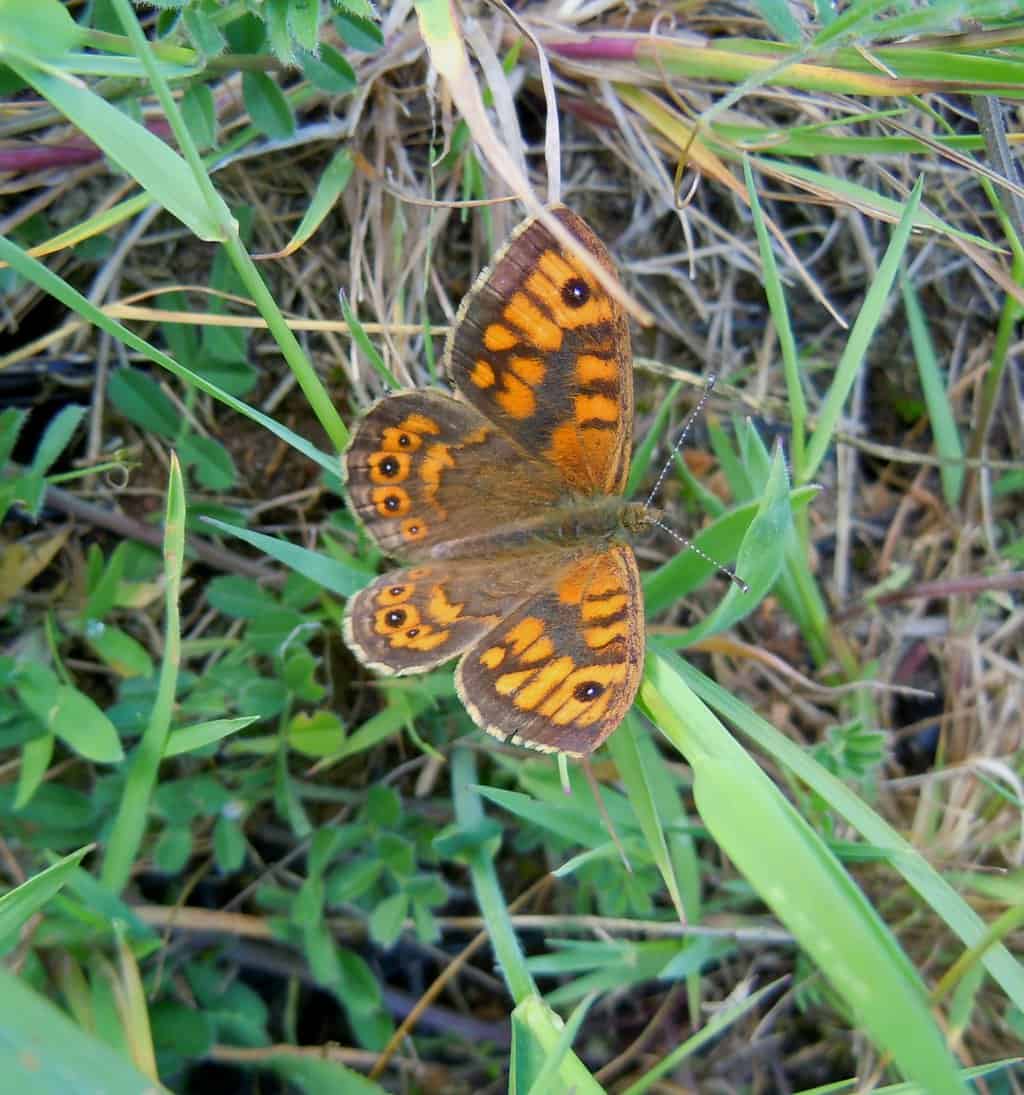
It was a hot sunny day in early August when we visited Warham Camp. This Iron Age hill fort overlooks a tributary of the Stiffkey River and is one of the best areas of chalk grassland in Norfolk. On climbing over the stile, we were immediately in a sea of waist high Wild Carrot and Ragwort. The very first butterfly we saw was a male Chalkhill Blue, with its dark edged, milky blue wings. Although it was well into their season, we found that there were very few on the wing. This may have been due to the wet spring, causing more robust plants to shade out their food plant, which is the ground hugging Horseshoe Vetch. However, a bright flash of orange dashing past soon put paid to any disappointment, as when it settled on a patch of bare ground we could see that it was a Wall butterfly. Walls were once common all over the county, indeed we regularly used to see them round the Orchard Lane railway bridge in Reepham, but for some reason their numbers have dropped dramatically inland and they are now usually only found on the coast. It was probably the presence of patches of bare ground round the earthworks that allow them to survive at Warham. We saw Walls in several places round the ramparts so it was good to know they were having a good year. There was a tapestry of chalk loving flowers: blues of Scabious and Harebell; yellow Cat’s-ear, Rock Rose and Wild Parsnip; white Carrot and Squinnancywort; pink Thyme and Restharrow, as well as magenta Knapweed and Dwarf Thistle. The latter has been called ‘picnic thistle’, as, when they are not in flower, they are very easily sat on when settling for a picnic, resulting in a rapid move to another spot, as they have very sharp spines. We could also see many seed heads of Pyramidal Orchids, with a few still in flower, but it was the widespread distribution of the Autumn Gentians we found most surprising. Usually there are a few small flower spikes on the eastern side of the camp, but this year they were flowering all round the inner ramparts and were large, prosperous plants too. Again, it must have been due to the extremely wet spring and early summer we have had this year which caused the plants to thrive. Despite the profusion of flowers, it was noticeable that there was a lack of insects visiting them. This worrying lack of insects has been noticed across the country this year so we all need to take action to try and grow as many wild flowers in our gardens as possible to provide nectar and pollen for the insects we do have.
Do let me know if you see any interesting wildlife (rachel.42rr@btinternet.com)