Nature Notes June2025
Nature Notes
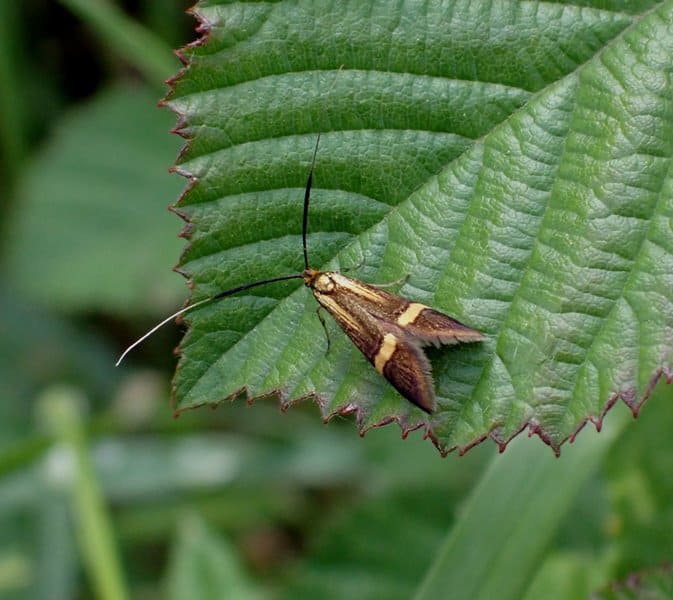
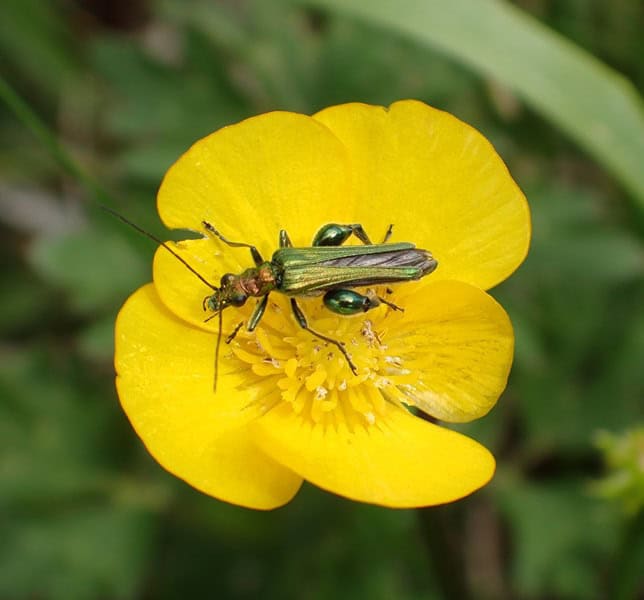
One of our favourite local walks is from Orchard Lane, east along the Marriotts Way to the track leading to Moor Farmhouse, and back by the Moor road. On this particular day, grey cloud gave way to warm sunshine as we set off, and we were able to enjoy peering into bramble clumps and nettle beds, to see which insects were about. Blackbirds and Robins were singing, a sure sign that they had raised one family and the female was already sitting on the eggs of the next. A Whitethroat, one of our summer visiting warblers, scolded us persistently from deep within a Hawthorn bush, so we presumed it also had a nest nearby, and hurried on. The flowers of the Early Purple Orchids had gone over and it was even difficult to pick out their shiny, darkly blotched leaves among the rampant vegetation. Alongside the track there were many Swollen-thighed Beetles among the petals of Buttercups and Oxeye Daisies, the males with their metallic green armoured legs which give them their name. We also found a beautiful small moth with a gold stripe across its wings and very long antennae, resting on a bramble leaf. This was one of the so-called longhorn moths, which sadly doesn’t have an English name, but rejoices under the Latin name of Adela croesella. The sandy bank, after joining the Moor, was bright with scarlet Common Poppies and purple Hedge Cranesbill, which looked stunning against the now blue sky, and many different grasses nodded their flower heads over the narrow carriageway. Walking back, we noticed just how many Ladybirds there were. Some were clearly freshly emerged as adults, as their usually crisp red wing cases were a washed out orange and the markings blurred. These would have become better defined in the next few hours. There were also lots of Ladybird chrysalises: orangey black looking encrustations firmly attached to leaves, waiting to emerge, and a few caterpillar-like nymphs: grey with black legs and head with orange spots. So there was cohort of predators ready to deal with the infestation of aphids caused by the hot dry weather in May. The beautiful pink and white saucers of Dog Rose flowers adorned the hedge and in the ditch in front, the soft foliaged Greater Willowherb plants were thrusting upwards, ready to open their deep magenta flowers with a central white cross. As children we used to call these flowers ‘Jam Tarts’, since Mother made big sticky jam tarts with a central pastry cross to fill hungry mouths.
Do let me know if you see any interesting wildlife (rachel.42rr@btinternet.com)