
Nature Notes August 2021

 The hot weather in July was a welcome change, and finally butterflies were everywhere. We made a visit to Warham Camp Iron Age fort when there was a light breeze off the sea, making it very pleasant to walk around the earth ramparts, taking in the abundant wildlife. There was a constant movement of butterflies: small orange Skippers whirring between flower heads; flappy Meadow Browns and milky-blue male Chalkhill Blues. Grasshoppers were chattering continually, while a pair of Linnets twittered as they flew overhead and a distant combine harvester added to the soundscape. There was a delicious scent of Lady’s Bedstraw and other herbs such as only occur of chalk grassland. The flowers added a riot of colour: magenta Dwarf Thistles; white Dropwort and Yarrow; blue Scabious and Harebells, with yellow Ragwort and Lady’s Bedstraw. There were orchids too.
Most of the Common Spotted Orchids had gone over but the bright pink Pyramid Orchids were dotted all around the steep slopes. It was a meadow as they used to be: unimproved and grazed at appropriate times of year. We could see the cattle fenced out of the area: they were beyond the fort where they had plenty of fodder; just not the wild flowers, which will set seed before the bullocks are allowed to range over the whole area again. Without grazing, coarse grasses would overwhelm the less robust plants and the outstanding flora would be lost. Another visit took us to one of the Breckland grass heaths south-west of Watton and we were amazed by the sheer number of insects. Flowering thistles were a magnet for bumblebees and beetles as well as butterflies. There was a range of grasshoppers chattering, whizzing and trilling everywhere we went. This area has never been improved with fertilisers or sprayed with insecticides, which is why there was such an abundance of life.
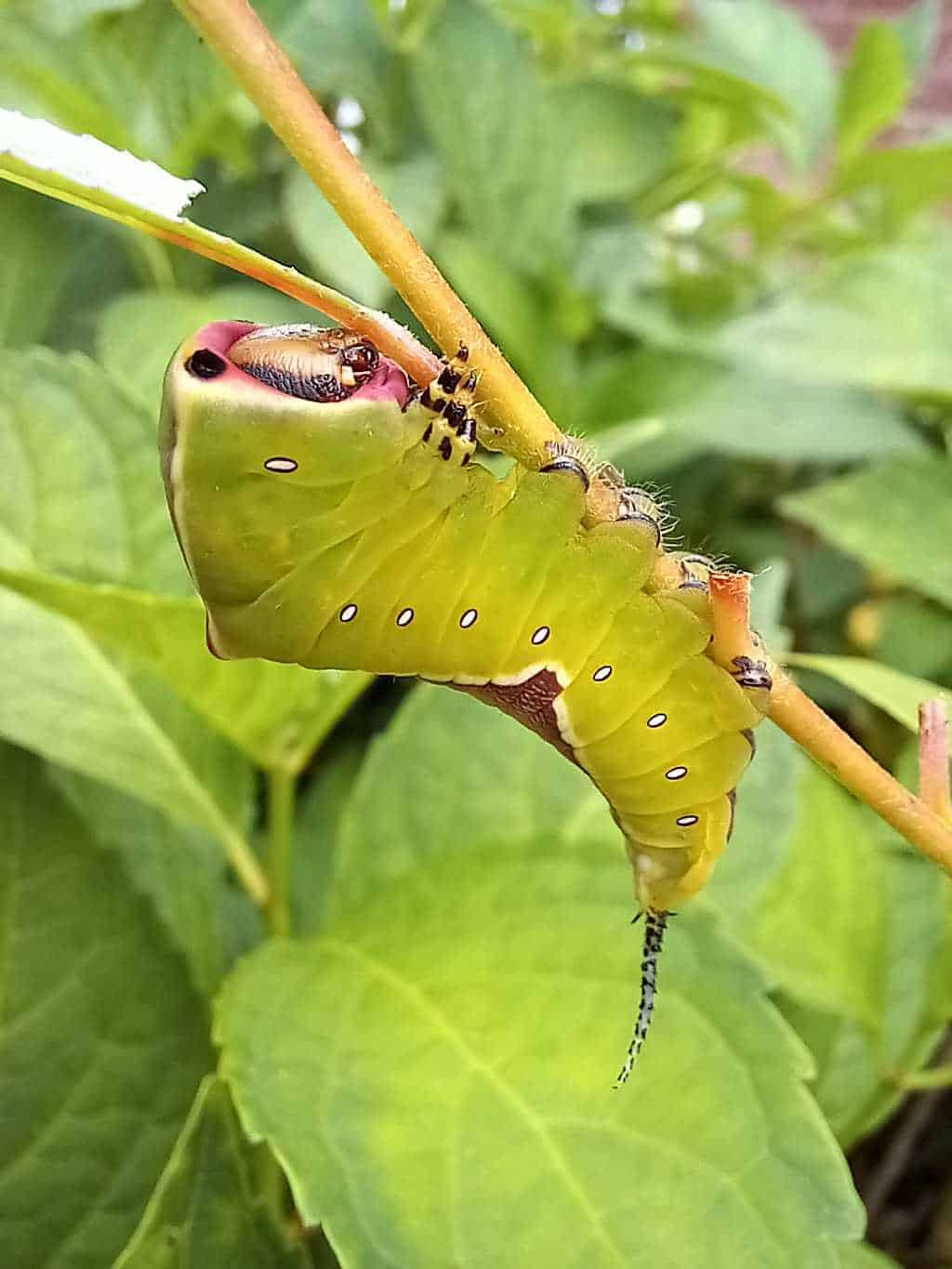
Other people have been finding interesting insects too. Judith had a Bee Moth come to her window. This is an unusual creature, as its caterpillar feeds on the combs of bee and wasp nests! Annie sent beautiful photos of a Puss Moth caterpillar that Rufus had found munching the leaves of a willow bush near their house. He had even found some Puss Moth eggs too: well spotted that lad!
Do let me know if you find anything of interest in your garden rachel.42rr@btinternet.com