
Nature Notes December 2022
Nature Notes December 2022
The cold east winds have brought quite a change to the North Norfolk coast. Not only was the sea a muddy grey with white caps and big breakers rolling in, but the migratory waders and duck had arrived in good numbers from the rapidly cooling continent when we visited Cley at the beginning of the month.
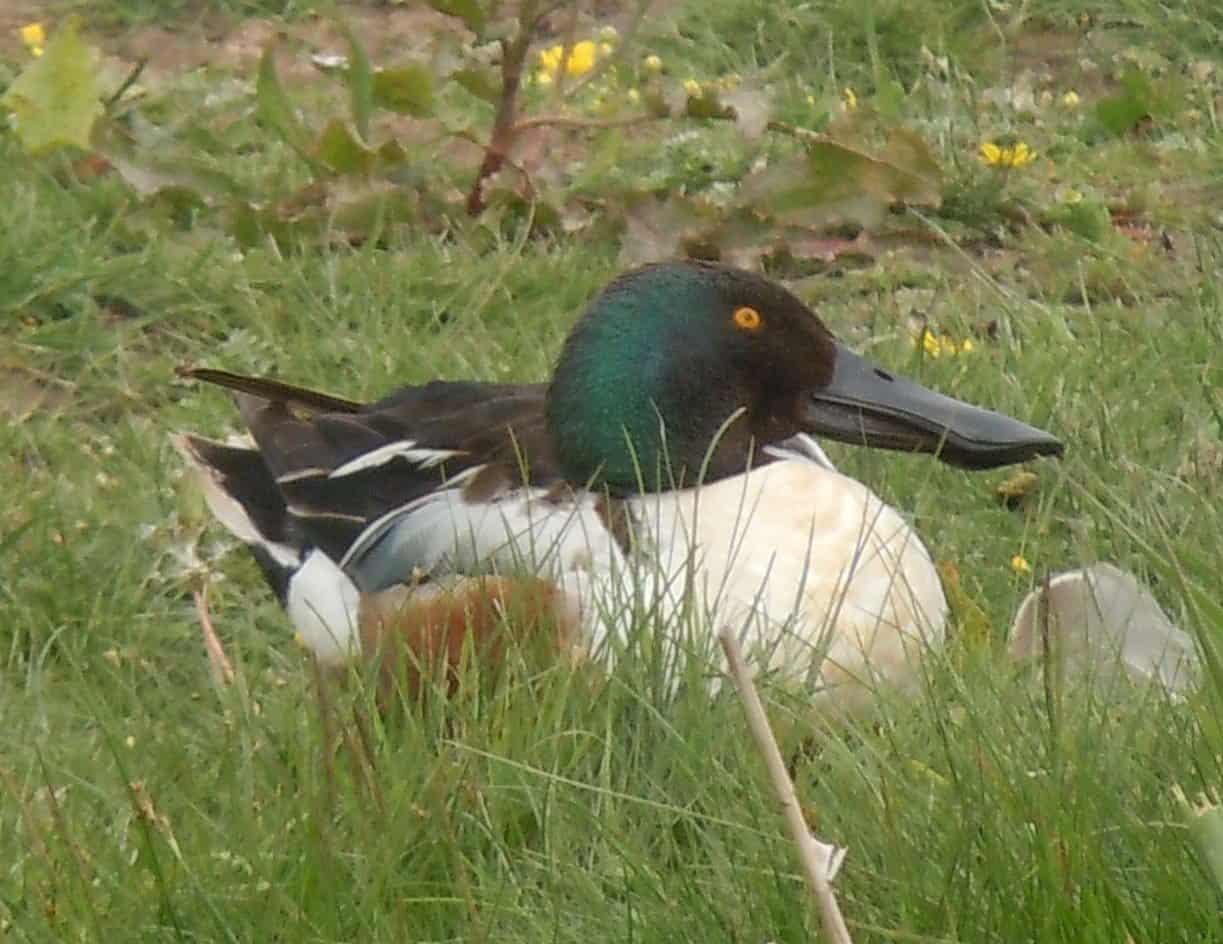
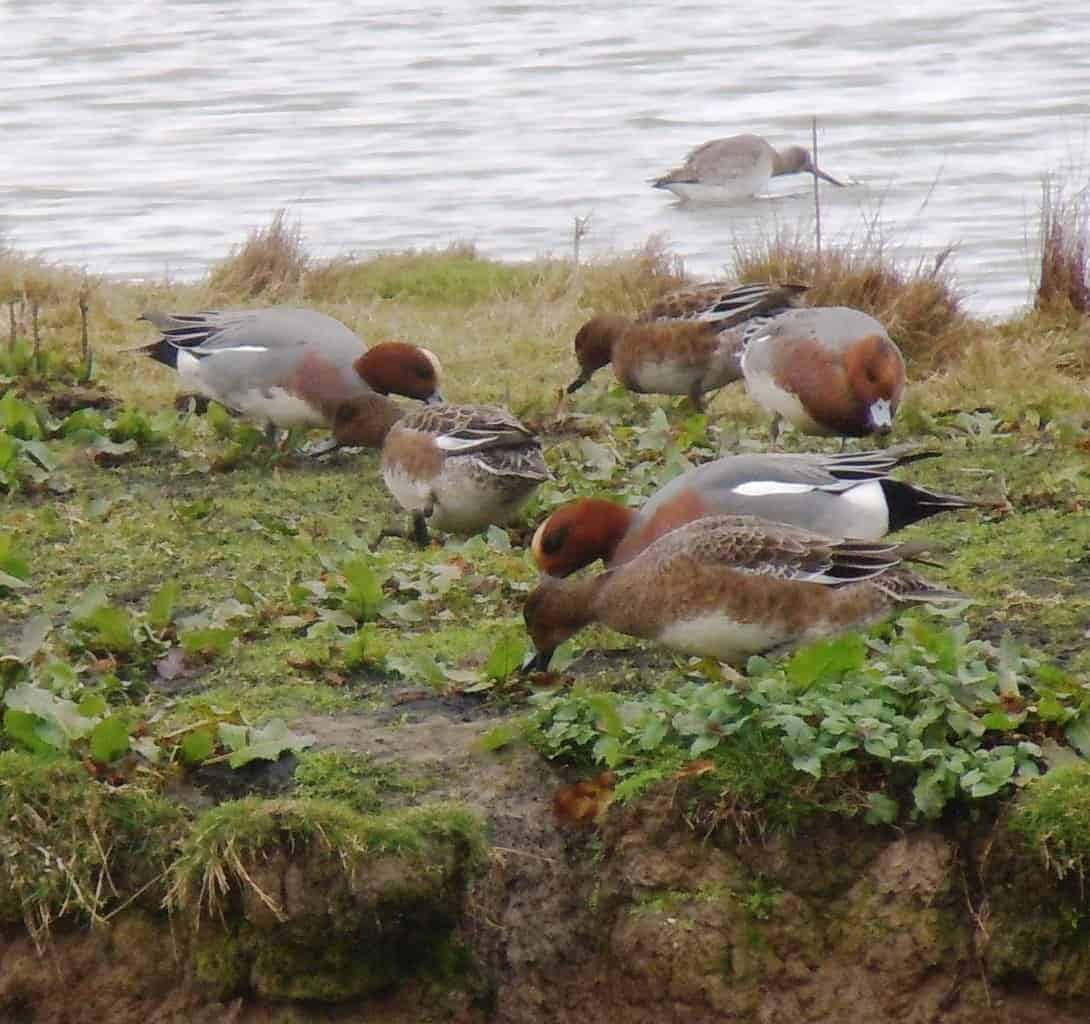
There were large numbers of Teal, Wigeon and Shoveler, all busy feeding, preening and resting in the comparative shelter of the scrape, partially surrounded by reedbeds. A flock of Lapwing were hunkered down on a grassy island, facing into the wind, only to be disturbed by a passing Marsh Harrier which drifted over. Lapwing and duck were immediately airborne in alarm but soon settled again once this majestic bird had passed. A Sparrowhawk flashing across in front of the hide caused no reaction whatsoever, being much smaller and therefore less of a threat. We were surprised to see a small flock of Avocets scything the deep water with their upturned bills, as the birds that bred in Norfolk had long since moved south. These were presumably some which had nested in Sweden, the most northerly breeding area for the species and only recently felt the need to make their way to warmer climes.
While we were walking along the beach, a female Grey Seal was close inshore and did indeed make her way through the surf onto the shingle but we were unfortunately too close for her comfort, even after we had drawn back, and she returned to the sea. The previous week, when walking to Blakeney Point, we were constantly overtaken by Grey Seals powering their way through the calm waters, on their way to the largest ‘rookery’ in the country, where the females will give birth and, after weaning their pups, will mate before returning to their solitary wanderings. Indeed there was already a white coated pup on the shingle with its anxious mum by the Watch House, halfway to the Point itself, and we could see hundreds of seals hauled out on the sand to the west. The National Trust Rangers were further on, asking people to keep to the top of the beach so as to not disturb these, our largest seals. The bulls are huge and can be aggressive so caution is necessary in their vicinity. We decided to not go further, as even walking along the shingle ridge was clearly causing the mother distress, so we went down to the Watch House landing stage to watch and listen to the birds feeding in Blakeney Harbour: bubbling Curlew song; the ‘phew’ calls of Wigeon and the clamorous piping of Oystercatchers. It was wonderfully peaceful.
Do let me know if you see any interesting wildlife. Rachel